
When temperatures drop and we humans retreat indoors with fuzzy blankets, steaming drinks, and questionable amounts of holiday cookies, wild birds have a very different winter experience. They’re not curling up inside with a mug of cocoa. They’re out braving freezing winds, dwindling food sources, and long nights. Winter is the toughest time of year for backyard birds — and that’s exactly why your support matters.
So what’s actually going on behind the scenes in those tiny feathered bodies? Why do birds need extra help during the colder months, and how does winter feeding benefit them? Let’s dive into the science (don’t worry — the fun, approachable kind).

---
THE BIG CHILL: WHY WINTER TAKES A TOLL ON BIRDS
Natural Food Becomes Scarce
In warmer months, birds enjoy an open buffet: insects, seeds, berries, nectar, and soft plant life. But when winter arrives, insects disappear, plants stop producing fruit, and snow smothers seed sources. Even species known for their resourcefulness hit a wall when nature’s pantry shuts down.
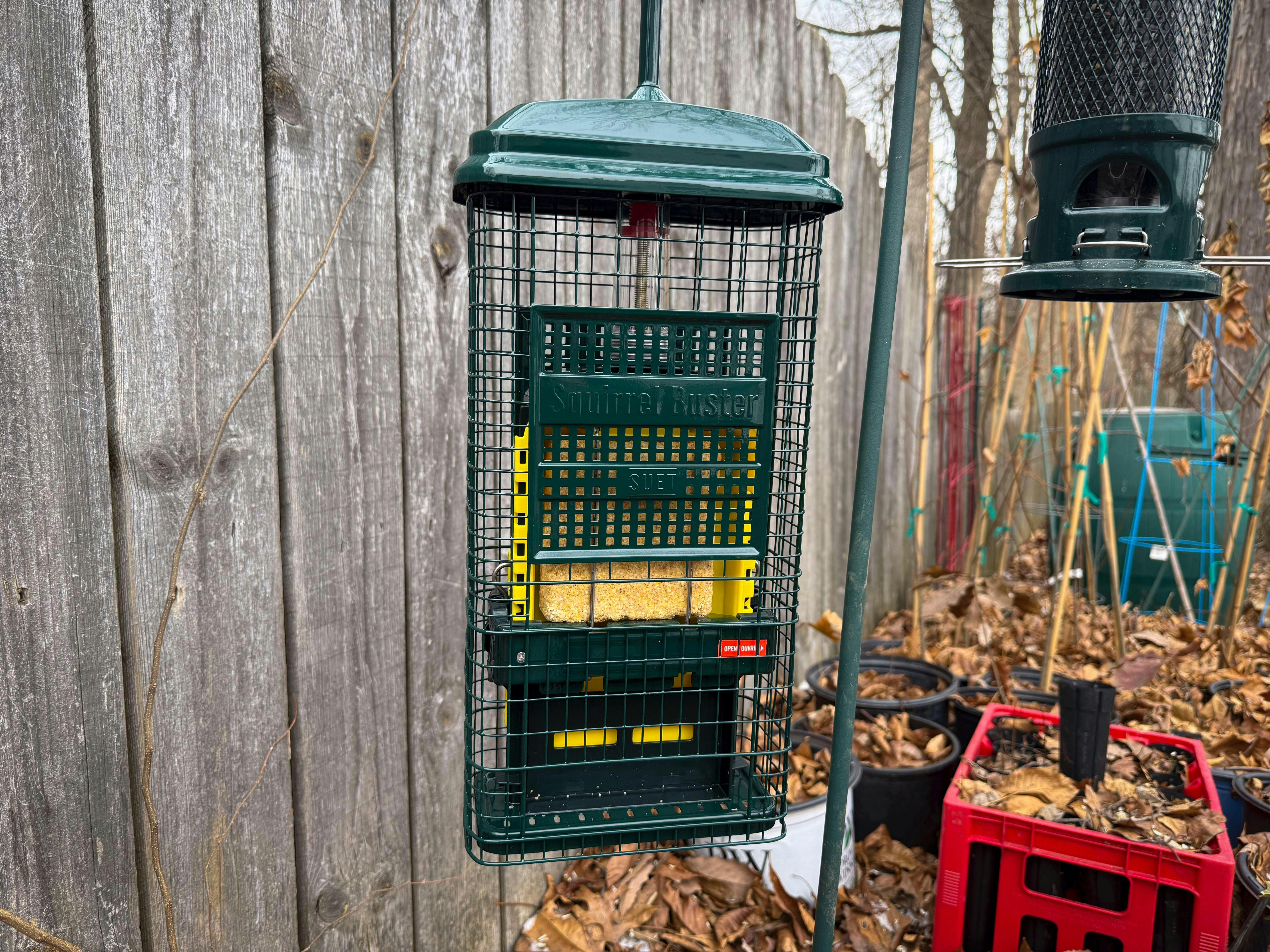
That’s why winter feeders become so important. Offering high‑energy foods like suet, seed cylinders, mealworms, and sunflower seeds helps birds maintain their strength when natural options are limited.
Birds Need More Calories — A Lot More
To survive in cold temperatures, birds increase their metabolism significantly. Some species burn two to three times their usual energy just to stay warm.
Imagine needing to eat three breakfasts before noon just to avoid freezing — that’s essentially a chickadee’s winter lifestyle.
High‑fat foods become essential during this season because they pack the most energy in the smallest bite. Suet, peanut blends, and seed cylinders are like the avian version of energy bars… only crunchier.

---
BIRD METABOLISM IN WINTER: A TINY POWER PLANT
If you think birds look frazzled during a snowstorm, it’s because their bodies are working overtime.
Many small birds can lose up to 10% of their body weight overnight in winter as they burn fat to stay warm. This is why early morning feeding activity around backyard feeders is so intense — they must refill their reserves quickly or risk hypothermia.
Winter feeding supports birds by helping them:
- Recover energy burned overnight
- Maintain higher body temperature
- Minimize risky foraging trips during storms
- Reduce overall stress on their bodies
Well-stocked feeders aren’t just convenient — during extreme cold, they can be lifesaving.

---
THE HIDDEN CHALLENGE: WATER FREEZES
While food gets most of the attention, water is equally important. Birds need fresh, unfrozen water for drinking, digestion, and feather maintenance. Clean feathers provide better insulation — and insulation equals survival.
But in winter? Puddles freeze, streams crust over, and birds struggle to access any liquid water at all.
This is where a heated birdbath becomes a game-changer. It ensures:
- A consistent source of drinkable water
- Cleaner feathers for better insulation
- More species visiting your yard
It’s one of the easiest ways to offer a major boost to backyard bird survival.

---
NATURE’S WINTER TOOLKIT: HOW BIRDS ADAPT (AND WHY THEY STILL NEED HELP)
Shivering for Warmth
Birds generate heat by rapidly contracting their muscles — essentially shivering — which burns a significant amount of energy. High-fat foods help replenish what they lose.
Feather Fluffing
When birds puff up and look extra round, they’re creating little air pockets between feathers to trap warm air. It’s nature’s version of a down jacket — but it only works if feathers stay clean and dry.
Torpor: A Nighttime Survival Mode
Some birds, like chickadees and nuthatches, enter a temporary, controlled “energy-saving mode” called torpor. This lowers their body temperature to conserve energy overnight. But torpor is dangerous if birds don’t have enough calories stored beforehand.
Your feeders help supply those crucial calories.

---
HOW YOU CAN MAKE WINTER EASIER FOR BIRDS
Supporting backyard birds doesn’t require complex setups — just a few thoughtful choices.
Offer High-Energy Foods
Winter is all about calorie density. Great options include:
- Suet cakes
- Seed cylinders
- Black oil sunflower seeds
- Peanuts
- Mealworms
- Nut and fruit blends

These foods help birds spend less energy searching and more energy staying warm.
Keep Feeders Clean and Weather-Protected
Moisture can cause mold, seed clumping, and feeder blockages. Regular cleaning keeps feeders safe and inviting.

Provide Unfrozen Water
A heated birdbath or de‑icer gives birds essential access to liquid water.

Add Shelter
You can support birds by offering places to stay safe from wind and predators:
- Roosting boxes
- Evergreen shrubs
- Brush piles
- Feeders placed near natural cover
Little touches make a big difference.

---
WHY WINTER BIRD FEEDING MATTERS MORE THAN YOU REALIZE
Feeding birds in winter is rewarding, but it’s also a meaningful act of conservation. Helping birds survive the hardest season increases their chances of successful breeding in spring, leading to healthier populations overall.
And beyond that? Few sights compare to a bold red cardinal perched on snow-covered branches or a determined little chickadee grabbing a bite at your feeder.
Backyard birding turns winter from a cold, dreary stretch into a season filled with life, color, and joy.

---
BRING WARMTH TO YOUR BACKYARD THIS WINTER
Whether you're new to bird feeding or a seasoned backyard birder, winter is the best time to make a difference. At JCS Wildlife, we offer everything you need to support birds through the coldest months — from high-energy foods to heated birdbaths and durable feeders designed for winter weather.
Explore winter bird feeding essentials at JCSWildlife.com and turn your backyard into a haven for birds all winter long.
Click here to shop our heated Bird Baths
Click here to shop Seed Cylinders
Click here to shop Bird Feeders